Things to Do in Chengdu: 1, 2 and 3 Day Plans (2026)
Things to do in Chengdu by area, with metro lines, panda base timing, ticket notes for foreigners and a 1, 2 and 3 day order. Day trips included.
Updated 11 min readCSK Team
On this page9 sections
- How Chengdu is laid out and 1 to 3 day order
- Pandas first: booking, timing and gate rules
- Central Chengdu: tea houses and evening walks
- Old streets, shrines and gardens
- Museums, weather and seasonal pacing
- Day trips: Dujiangyan and Qingcheng Mountain
- Food and spice strategy
- Logistics: getting in, getting around and daily checklist
- FAQ
Quick answer: With one day in Chengdu, book a morning slot at the Chengdu Panda Base (¥55, about US$8), then take the metro to Kuanzhai Alley and Chunxi Road. A second day adds Wuhou Shrine, Jinli Street, a People's Park tea house and a museum. A third day fits an intercity train trip to the Dujiangyan Irrigation System (¥80).
Chengdu rewards a slow schedule built around one morning anchor and one afternoon neighborhood. Because the city is flat and spread out, crisscrossing it by metro eats into the hours when sights are actually open or enjoyable. Lock in rigid booking windows first and leave open-air lanes, parks and shopping streets for the afternoon and evening.
Opening days, ticket rules and train schedules change, so confirm details on the official pages for your travel dates. Prices below are in CNY (with US$ calculated at roughly 6.7) and are estimates unless cited to an official schedule.
How Chengdu is laid out and 1 to 3 day order
The old center sits around Tianfu Square and Chunxi Road, while most historical shrines and gardens cluster to the west and south-west. The metro connects the core districts efficiently, though the panda base in the north-east requires a road transfer at the end of the train ride.
| Area | Sights | Metro / transit (as published) | Suggested order |
|---|---|---|---|
| Panda Base (north-east) | Chengdu Research Base of Giant Panda Breeding | Line 3 to Panda Avenue, then shuttle bus or taxi | Day 1 morning |
| Kuanzhai area | Kuanzhai Alley (Wide and Narrow Alleys), Qingyang Palace | Line 4 to Kuanzhai Alley | Day 1 afternoon |
| Old center | Chunxi Road, Tianfu Square, People's Park | Lines 2 and 3 (Chunxi Road), Line 2 (People's Park) | Day 1 evening (Chunxi Road); Day 2 afternoon (People's Park) |
| South-west | Wuhou Shrine, Jinli Street | Line 10 to Wuhou Shrine, or Lines 3 or 5 to Gaoshengqiao (plus about a 10-minute walk) | Day 2 morning |
| West | Du Fu Thatched Cottage, museums | Metro plus short walk; use a map app for the closest station and exit | Day 2 late afternoon |
| Outside | Dujiangyan, Qingcheng Mountain | Intercity train (mostly from Xipu on Metro Lines 2 or 6, or some from Chengdu West) | Day 3 full or half day |
Pandas first: booking, timing and gate rules
The Chengdu Research Base of Giant Panda Breeding dictates the shape of your first day. Unlike downtown parks where you can wander in at will, the base runs on strict timed entry and sits far from the center. Putting it first protects your main priority against transit delays and midday heat.
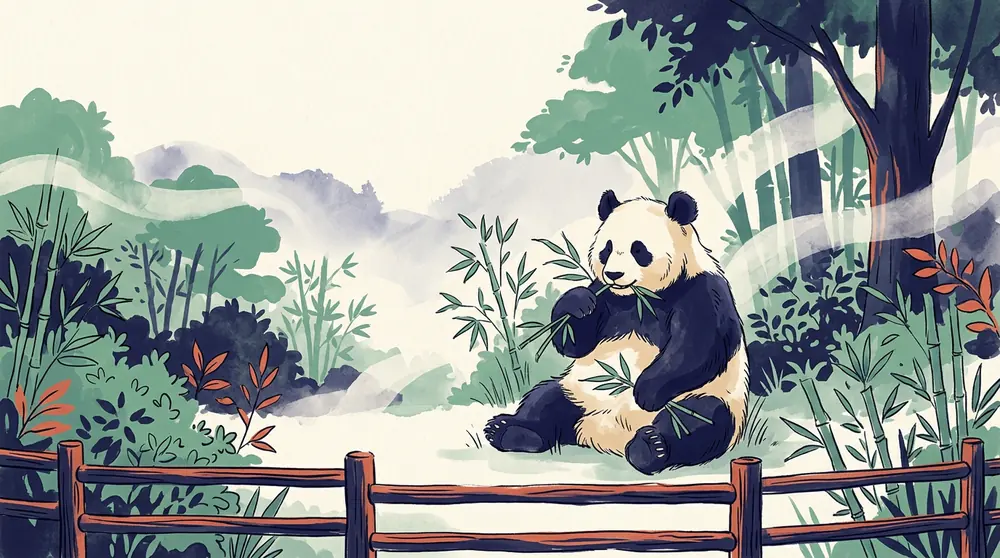
According to the Chengdu Panda Base ticket and booking page (checked November 2026), online real-name booking is mandatory every day for all visitors aged 18 to 59, not only on busy weekends or holidays. Do not show up expecting to buy a standard adult ticket at the window. Booking runs through the base's WeChat account or mini-program and authorized apps (Meituan, Ctrip, Douyin and Tongcheng). The daily cap is 85,000 visitors, and tickets open up to 14 days in advance for either a morning or an afternoon slot. Adult admission is ¥55, and student tickets cost ¥27. Visitors aged 60 and over, as well as children under age 6 or under 1.3 meters tall, enter free without a reservation.
Choose the morning slot when you book. Traveler guides consistently recommend arriving close to opening time, when the pandas are fed and active rather than sleeping through the warmer afternoon hours:
- March to October: Morning tickets admit from 7:30 to 12:00; afternoon tickets admit from 12:00 to 17:00, with park clearing starting at 18:00.
- November to February: Morning tickets admit from 8:00 to 12:00; afternoon tickets admit from 12:00 to 16:30, with clearing starting at 17:30.
Passports are accepted for entry, and you must present the same ID used to make the reservation at the dedicated "original ID" verification lane at the gate. Budget extra time after Metro Line 3 for the final shuttle bus or taxi ride to the park entrance. Our panda base guide breaks down the full booking route and walking loop.

Expect to spend 3 to 4 hours inside, as walking between the enclosures takes real effort. Schedule nothing demanding for late morning. Eat lunch and rest before heading back into the city center.
Central Chengdu: tea houses and evening walks
Once you return from the north-east suburbs, keep the afternoon low-key by splitting your time between a park sit-down and an after-dark walk through the commercial core.
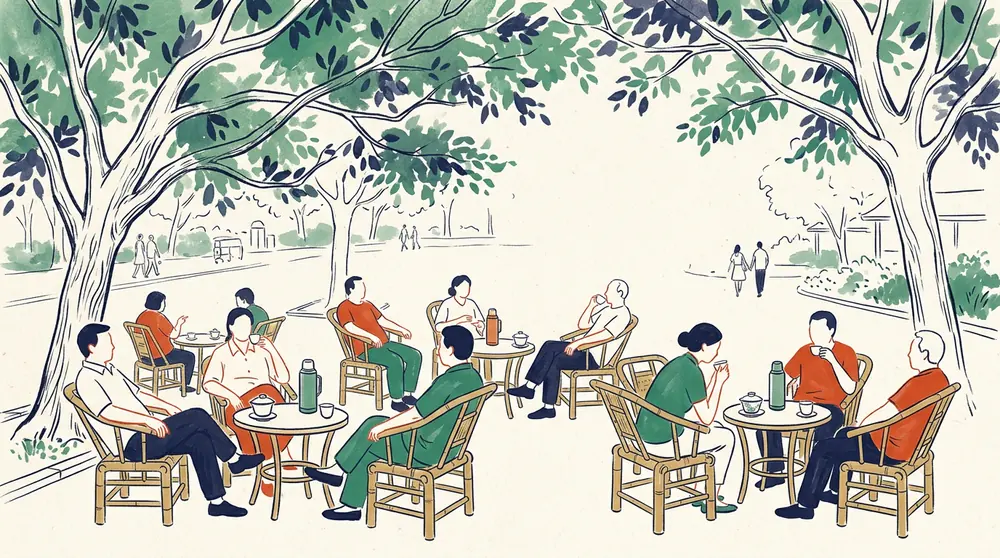
People's Park offers the easiest transition after a long morning walk. Locals gather in its open-air tea houses to sit for hours, making a stop here a straightforward way to watch everyday Chengdu life without paying for a formal show or ticketed monument. Prices are low, though menus are written in Chinese; see our best translation apps for China before you sit down.
Chunxi Road is a pedestrian shopping and dining district flanked by the IFS mall and the neighboring Taikoo Li complex. Treat this zone as an evening destination for dinner and strolling after the lights come on rather than a daytime sightseeing stop. Compare the options in our directory pages for Chunxi Road and Sino-Ocean Taikoo Li Chengdu, or track down a daytime espresso using the specialty coffee guide.
Old streets, shrines and gardens
Chengdu's historical sights divide into lively snack-and-souvenir lanes and quieter walled compounds. Pairing one of each gives a day balance, so you are not spending four straight hours pushing through food-stall crowds or reading museum plaques back to back.
Kuanzhai Alley and Qingyang Palace
Kuanzhai Alley is a restored historic quarter built around three parallel lanes lined with snack vendors, shops and tea houses. Entry to the lanes is listed as free in traveler guides; you only pay for food, tea or souvenirs inside. Visit in the late afternoon or evening to see the alleys lit up without spending peak midday hours in weekend crowds.
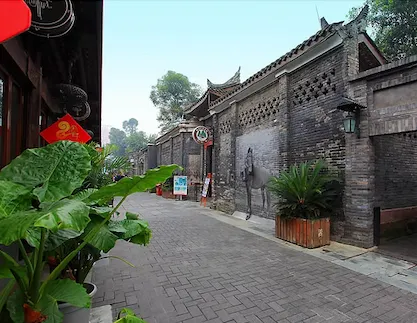
When the commercial lanes feel too busy, walk over to nearby Qingyang Palace, an active Taoist temple with a calmer atmosphere. According to a Haoliday travel-atlas page citing platform listings and Travel China Guide, admission is about ¥10 (free for children under 1.2 meters or age 6 and seniors over 60) with tickets sold at the gate without booking, and hours run 08:00 to 17:00 (last entry 16:50). Before visiting, review the basic rules on dress, incense and photography in our Chinese temple etiquette guide.
Wuhou Shrine and Jinli Street
For history tied to the Three Kingdoms period and Zhuge Liang, head south-west to Wuhou Shrine and neighboring Jinli Ancient Street, a busy lane geared toward snacks and souvenirs. Doing both together takes 2 to 3 hours: walk the shrine grounds first in the morning while you are fresh and before the snack lanes peak, then step into Jinli Street when you are ready to eat.
According to the Wuhou Shrine official ticket page, hours are 09:00 to 18:00 (last entry 17:00, with summer extended hours announced on the museum's site). Adult tickets cost ¥50, half-price tickets are ¥25 and an annual pass is ¥100, with online booking through the museum's website or official WeChat account. Entry is free for visitors under 18 and mainland Chinese aged 60 and over with ID; foreign passport holders under 18 and Hong Kong, Macau, Taiwan or foreign permanent-resident seniors exchange documents (passports are listed for minors) at the service window.
Du Fu Thatched Cottage
Further west, Du Fu Thatched Cottage preserves a quiet garden complex dedicated to the Tang-dynasty poet, suiting literature fans and travelers who prefer shaded footpaths over souvenir stalls. According to the Du Fu Thatched Cottage official site, ticket price page and booking notice, the grounds open from 09:00 to 18:00 (ticket sales stop at 17:00, with extended hours during holidays). Admission is ¥50, or ¥25 half price for students up to undergraduate level, and free for Chinese citizens aged 60 and over with ID (Hong Kong, Macau, Taiwan and foreign permanent-resident seniors aged 60+ exchange a ticket with their permit). Real-name booking opens 14 days ahead via the museum's WeChat service account; visitors without a mainland ID card go to the ticket window for a paper voucher.
Museums, weather and seasonal pacing
Chengdu sits in a humid basin where skies are often overcast and summers can get hot. Spring and autumn usually bring the most comfortable temperatures for walking between outdoor compounds; compare seasonal trade-offs in best time to visit China and China summer heat. When rain sets in, check museum status and weekly closing days before setting out:
- Chengdu Natural History Museum: A practical indoor rainy-day option, particularly for families traveling with children.
- Jinsha Site Museum: Focuses on ancient Shu-kingdom gold and jade archaeology, but the official visiting-hours page states the museum is closed from 5 December 2025 to 30 April 2027 ("2025年12月5日至2027年4月30日期间闭馆"). Under its normal rules before closure, hours were 09:00 to 18:00 (closed Mondays, adult ¥70), and its online ticket form lists passports and foreign permanent-resident cards as accepted ID types.
Day trips: Dujiangyan and Qingcheng Mountain
If you have a third day, leave the urban ring for the Dujiangyan Irrigation System, a 2,000-year-old water-management engineering project and UNESCO site that still channels the Min River without a conventional dam. Dujiangyan works on its own as a half-day or relaxed full-day excursion, leaving you back in central Chengdu for dinner. Adding nearby Qingcheng Mountain turns the outing into a full, leg-heavy day, so only combine the two if you start early and want a long day on your feet. For camera angles around the region, see our Sichuan photography guide.
According to the Chengdu municipal government page on Dujiangyan and the city government listing for Qingcheng Mountain (checked November 2026), standard admission is ¥80 per person at each site (Qingcheng hours are 08:00 to 17:00), while visitors aged 65 and older enter free (for ages 60 to 64 at Qingcheng, entry is free outside national holidays and half price during them). An official Mid-Autumn 2026 notice for Qingcheng-Dujiangyan states that all visitors must buy real-name timed tickets online up to 15 days ahead via the official WeChat account or authorized platforms such as Meituan and Ctrip; tickets exclude shuttle, cable car, escalator and guide fees, and Qingcheng has a daily cap of 22,000.
According to Travel China Guide, intercity high-speed trains to Dujiangyan and Qingchengshan run mostly from Xipu Railway Station (about 18 km northwest of the center, reached by Chengdu Metro Line 2 or Line 6). A Ctrip train timetable also lists some departures from Chengdu West (such as D5112, including a 52-minute afternoon run), with total travel times across published timetables ranging from 30 to 78 minutes depending on the train and station.
Food and spice strategy
Sichuan cooking pairs chili heat with numbing Sichuan pepper. Even dishes that look mild can carry a strong tingle, so pacing your palate is as important as pacing your walking. First-time visitors can learn how to balance spicy and mild dishes in our Chinese food beginners guide. If you have dietary restrictions, generate a printable warning before you go using the Chinese allergy card tool. To find vetted restaurants and read local ratings without speaking Chinese, follow our Dianping app guide for foreigners.
Logistics: getting in, getting around and daily checklist
- By air: Chengdu operates two airports. Verify which airport code is on your ticket well before departure day, and build in generous transit time to reach the city center.
- By high-speed rail: Chengdu East and Chengdu South serve as major rail hubs alongside Chengdu West and Xipu. Published timetables show the fastest high-speed trains between Chengdu and Xi'an taking roughly 3 hours, though exact durations vary by train. Read China train tickets for foreigners for passport verification and booking rules.
- Visas and attraction tickets: Check your entry eligibility on the visa checker before locking in flights, and see how to book attraction tickets in China for handling real-name reservations. Always carry your physical passport in your daypack for station gates and attraction entry checks.
- Payments, navigation and battery: Set up Alipay or WeChat Pay (backed up by some physical cash) and English mapping before leaving home using our Alipay setup guide and Amap English guide. Carry a charged power bank, as constant QR scanning, map routing and translation drain phone batteries before dinner.
FAQ
How many days do you need in Chengdu?
Two days cover the Chengdu Panda Base and the main historic sights in the old city. Adding a third day gives you time for an intercity train trip to Dujiangyan or a much slower pace in the parks and tea houses.
What time should I go to the Chengdu Panda Base?
Book the morning ticket slot and arrive close to opening time (7:30 from March to October, or 8:00 from November to February). Pandas are most active during morning feeding and rest as crowds grow later in the day.
How do I get to the panda base by metro?
Take Metro Line 3 to Panda Avenue station according to published transit guides. Because the metro station does not sit at the park entrance, complete the final leg by shuttle bus or taxi.
Is Kuanzhai Alley free?
Published traveler guides list entry to the alleys themselves as free. You only pay for what you spend inside at the tea houses, snack stalls and shops.
Can I do Dujiangyan as a day trip from Chengdu?
Yes, intercity trains from Chengdu take about 30 minutes to just over an hour depending on the train and station. Check current timetables for your date, and bring your passport for train boarding and the ¥80 site admission.
More guides like this
- DestinationsThings to Do in Beijing: 1, 2 and 3 Day Plans (2026)
- DestinationsThings to Do in Shanghai: 1, 2 and 3 Day Plans (2026)
- DestinationsThings to Do in Shenzhen: 1, 2 and 3 Day Plans (2026)
- DestinationsChengdu Panda Base 2026: Tickets (¥55), Hours & Tips
- DestinationsChina vs Hong Kong: Key Differences for Travelers (2026)
- DestinationsHuacheng Square Guangzhou: Canton Tower Area Guide (2026)
Rules and apps in China change often. Spotted something out of date? Tell us at [email protected]. Published November 7, 2026.